
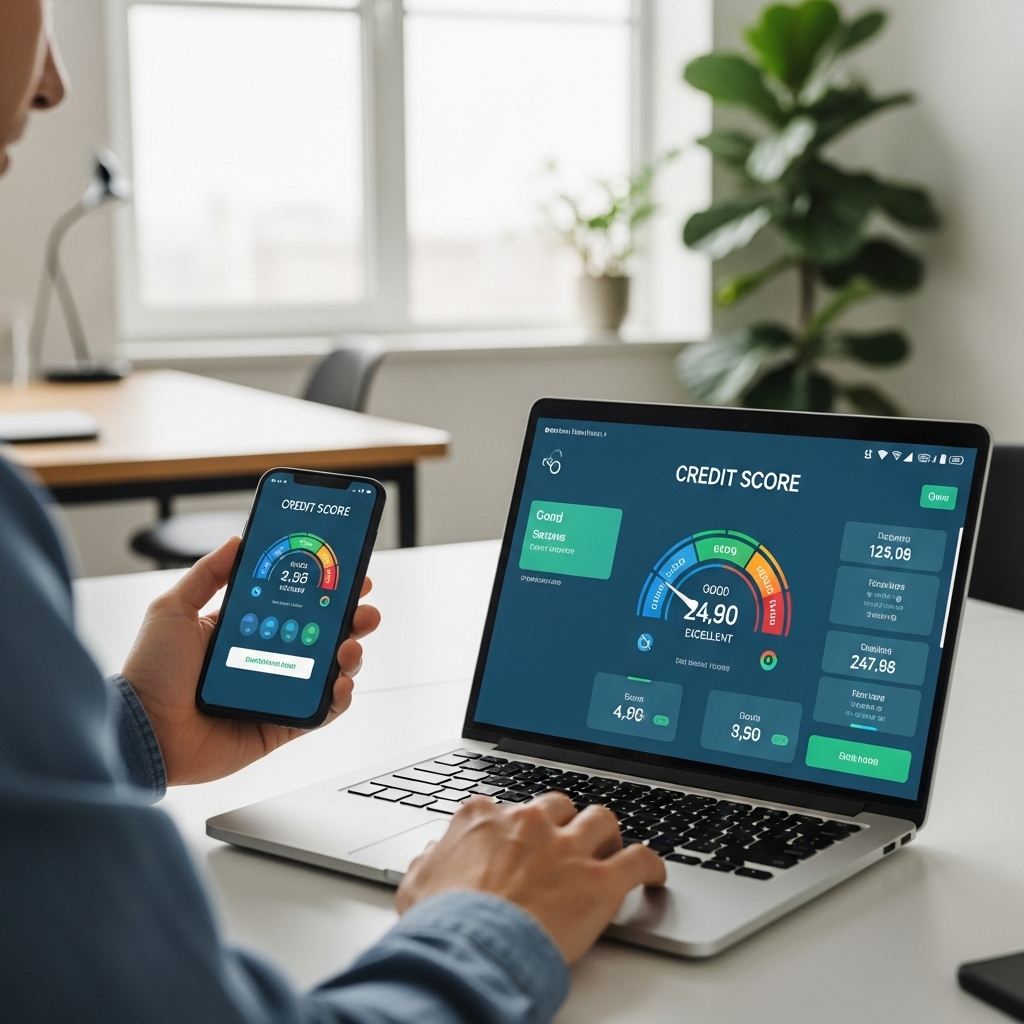

Your credit score plays a huge role in your financial life — it can decide whether you’re approved for a loan, the interest rate you pay on a car or mortgage, and even if you get approved for certain jobs or apartments.
The good news? You don’t need to pay to find out what your score is. In fact, there are several completely free and safe ways to check your credit score online.
Let’s go step by step through how to do it and what you should know.
What Is a Credit Score?
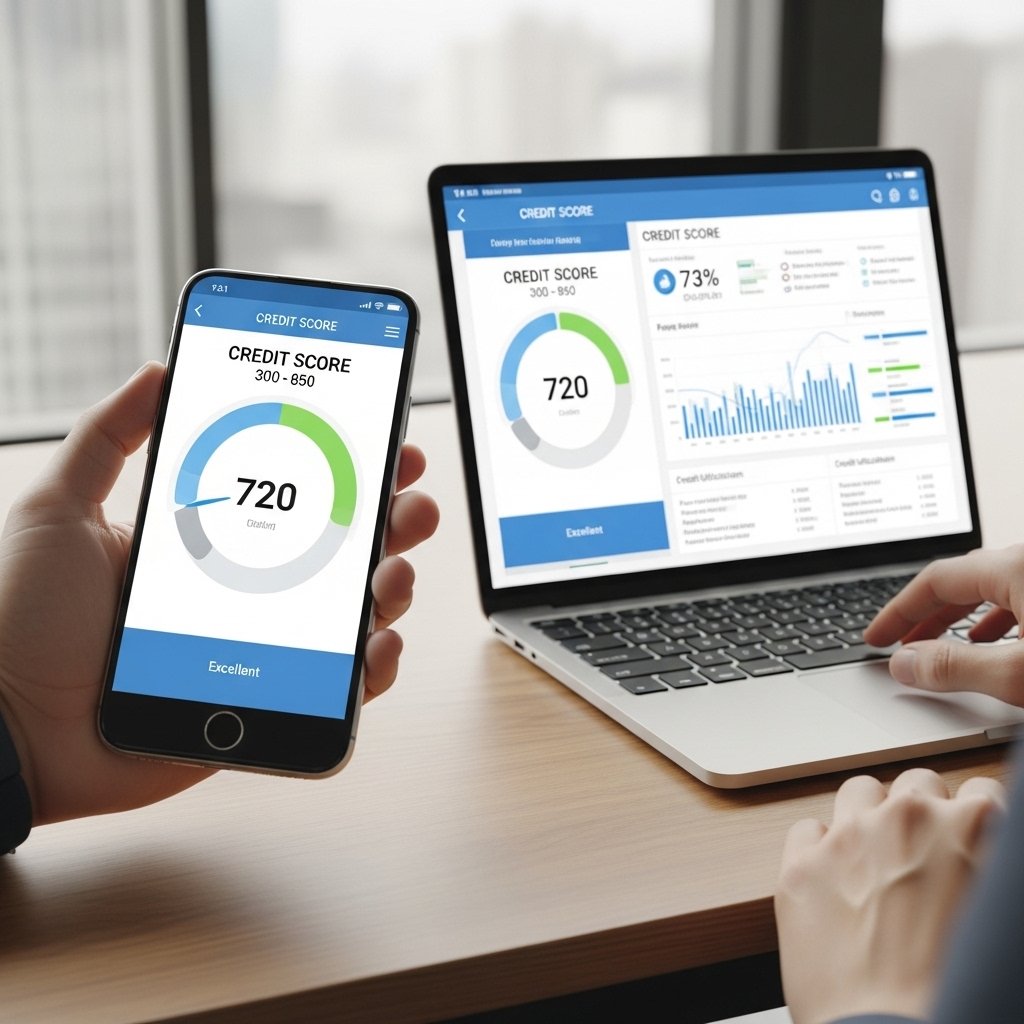
A credit score is a three-digit number, usually ranging from 300 to 850, that represents how trustworthy you are as a borrower.
It’s calculated based on information from your credit report — things like your payment history, how much debt you owe, and how long you’ve had credit.
Here’s a general breakdown of score ranges:
- Excellent: 750–850
- Good: 700–749
- Fair: 650–699
- Poor: Below 650
Lenders use your credit score to decide if they should give you credit — and at what interest rate.
Why Checking Your Credit Score Matters
Checking your credit score regularly helps you:
- Catch errors early – Sometimes credit reports include mistakes that hurt your score.
- Monitor your financial health – You’ll know where you stand before applying for credit.
- Protect against identity theft – Sudden drops in your score might signal fraud.
- Plan smarter – If you’re planning a loan, checking your score helps you prepare.
The best part: checking your own score does not affect your credit rating.
How to Check Your Credit Score for Free
There are multiple legitimate ways to check your score without paying. Let’s look at the best options.
1. Use AnnualCreditReport.com
This is the official U.S. government-approved site for free credit reports.
You can get one free report per year from each of the three major credit bureaus — Equifax, Experian, and TransUnion.
Visit AnnualCreditReport.com and request your reports.
While this site gives your credit report (not the numerical score), most bureaus let you add your score for a small fee.
2. Use Free Credit Score Websites
Several websites offer your credit score for free, instantly, and safely.
Here are some popular ones:
- Credit Karma – Provides free VantageScore from TransUnion and Equifax, plus insights on how to improve it.
- Credit Sesame – Free credit score and monitoring with alerts for changes.
- NerdWallet – Shows your TransUnion score and personalized financial advice.
These platforms are completely free — they make money by recommending financial products, not by charging you.
3. Check Through Your Bank or Credit Card
Many banks and credit card companies now include free credit score tracking.
For example:
- Discover offers a free FICO score on its online dashboard.
- Capital One’s CreditWise provides free TransUnion VantageScore monitoring.
- Chase, Bank of America, and Wells Fargo also offer similar services.
Simply log in to your online banking app or credit card account to see if you have this option.
4. Use Experian’s Free Credit Score Tool
Experian, one of the three major credit bureaus, lets you check your FICO Score for free.
Go to Experian.com and create a free account. You’ll get access to your score, report, and credit monitoring tools.
5. Use Financial Apps
Apps like Mint and SoFi also show your credit score for free inside their financial dashboards.
This is convenient if you already use them for budgeting or investments.
How Often Should You Check Your Credit Score?
You should check your credit score at least once a month — especially if you’re planning to apply for a loan or credit card soon.
Frequent monitoring helps you stay alert to changes, new accounts, or possible errors before they become serious problems.
Tips to Improve Your Credit Score
Once you know your score, you can start improving it.
Here are some quick and effective tips:
- Always pay your bills on time.
- Keep credit card balances low.
- Don’t apply for too many new accounts at once.
- Keep old accounts open to build a longer credit history.
- Regularly check for and dispute errors on your credit report.
Final Thoughts
Knowing your credit score gives you control over your financial future.
With free tools and websites available today, there’s no reason to pay for this information.
By checking regularly and staying responsible with your money, you’ll not only understand your score — you’ll have the power to improve it over time.